Summary: A practical guide to experiencing Dinamo Zagreb football, from buying tickets and choosing the right
tand on the north side of Stadion Maksimir on a matchday and you'll feel it—the pulse of Dinamo Zagreb's Bad Blue Boys bouncing off the concrete. This isn't a tourist attraction;it's a ritual. For anyone serious about understanding Croatian football culture, skipping a Dinamo match is like visiting Barcelona and ignoring Camp Nou. The club。founded in 1911, has won more Yugoslav and Croatian league titles than any other side, but the real education happens in the stands and the streets around the stadium.Getting tickets is easier than you'd think. Unless it's a derby against Hajduk Split or a European night, you can usually buy them online a few days before kickoff or at the stadium box office on the day. Prices for a standard league match run between 50 and 100 kuna (roughly €7–13). Sit in the east stand if you want a clear tactical view;head to the north if you want the full ultra experience—flags, flares。
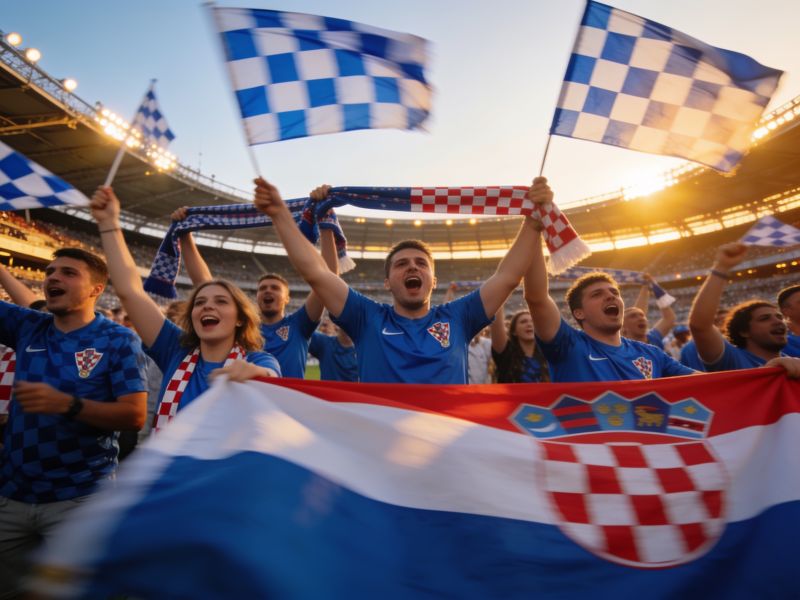
and nonstop chanting. I'd suggest the east for a first visit, then migrate north once you've got your bearings. Arrive at least 45 minutes early;the atmosphere outside the ground, with grilled sausages and scarf sellers, is half the fun.Pay attention to the club's youth academy. Dinamo's reputation for producing talent is no accident—Luka Modrić, Mateo Kovačić。and Josko Gvardiol all came through the system. If you're in Zagreb during the week。check whether the youth team or reserves are playing at the training center in Hitrec-Kacian. These games are free, sparsely attended, and give you a raw look at the production line that keeps the club financially afloat. I watched a reserve match last October and spotted two players who were promoted to the first team by spring. That's not luck;it's a deliberate pipeline.
Don't limit yourself to the stadium. The club's official store in the city center (Ilica 49) is small but stocks retro shirts and Bad Blue Boys merchandise you won't find online. For pre-match drinks, locals flock to bars in the Kvart area near the stadium—cafes like Kavana Zagreb fill up two hours before kickoff with a mix of families and hardcore supporters. One warning: if you wear Hajduk colors anywhere near Maksimir, expect hostility. Rivalry here is real, not a marketing gimmick.Finally, learn a few chants. "Dinamo。Dinamo" is the baseline, but the Bad Blue Boys have a repertoire that dates back decades. You don't need to know every word—clapping in rhythm and joining the chorus of "Bijeli" (the whites) is enough to signal respect. After the final whistle, walk back toward the city center through Maksimir Park. The contrast between the roaring stadium and the quiet, leafy paths is a good reminder: Dinamo Zagreb is woven into the city's fabric, not separate from it. Go see for yourself. One match and you'll understand why this club matters more than the trophy count suggests.